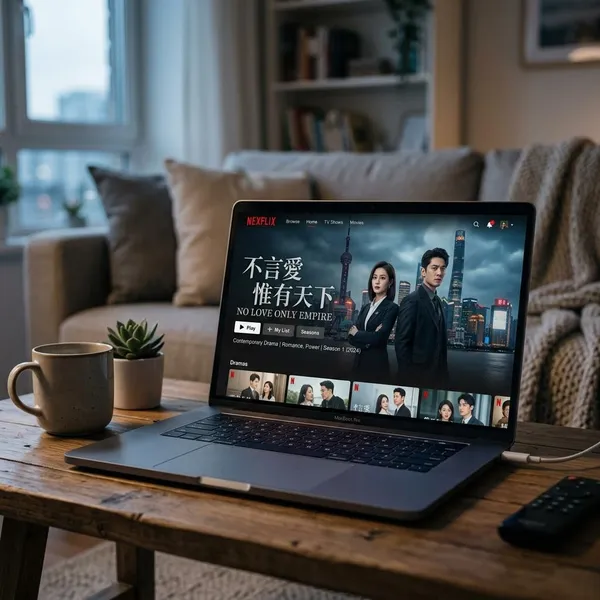
A nonsense Chinese drama is usually a short, wildly exaggerated Chinese drama that is more fun than believable. If a story jumps from secret billionaires to fake marriages, revenge, amnesia, and impossible rescues in the space of a few minutes, you are probably watching one. The best way to enjoy it is not to judge it like a realistic series, but to ask whether the chaos is entertaining enough to keep you watching.
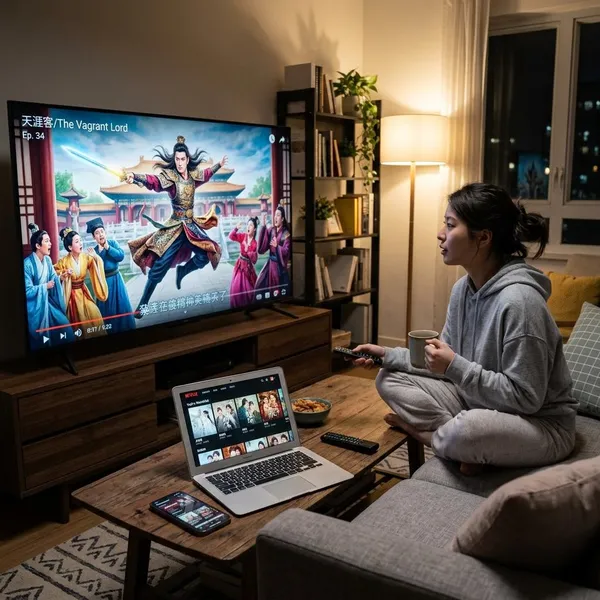
What Is a Nonsense Chinese Drama?
The phrase is a fan-made label for Chinese short dramas that feel deliberately or accidentally absurd. These shows are often built around extreme romance, revenge, hidden identities, sudden betrayals, and cliffhangers that arrive much faster than they would in a normal TV series.
Over-the-top Chinese short dramas
Most examples are made for mobile viewing, so the episodes are short and the story has to grab attention quickly. A character might be humiliated, discover a secret marriage contract, face a jealous rival, and walk into a revenge setup before a traditional drama would finish introducing the cast.
Absurd plots and dramatic twists
The plot often runs on escalation: one misunderstanding becomes a family war, one dinner turns into a secret identity reveal, and one argument somehow exposes a hidden inheritance. The events may not make sense, but they keep the story moving.
Viral clips and exaggerated acting
These dramas are made for moments that work even without full context: a slap at a wedding, a CEO reveal, a public betrayal, a tearful reunion, or a villain being exposed in front of everyone. Big expressions, dramatic pauses, and loud confrontations help the scene read instantly on TikTok or YouTube Shorts.
A playful label rather than an official genre
Calling something a nonsense Chinese drama is not always an insult. Fans often use it affectionately, as in: "This makes no sense, but I cannot stop watching." The label describes the viewing experience as much as the story itself.
What Makes Nonsense Chinese Dramas So Ridiculous?
The ridiculous feeling comes from one clear priority: excitement beats realism. These dramas do not usually pause to explain every motivation or consequence. They push the viewer from one emotional spike to the next.
That does not mean every chaotic short drama is enjoyable. The fun depends on whether the show gives you enough payoff for the nonsense. A good one is absurd but easy to follow; a weak one is just noisy, repetitive, and hard to care about.
Nonstop plot twists
A normal drama might save a major reveal for the middle or end of a season. A nonsense Chinese drama may use several in a single viewing session: secret parentage, a fake identity, a betrayal, a comeback, and a romantic confession stacked together.
Unrealistic character decisions
Characters often make choices that would be baffling in real life. They hide simple truths, trust obvious villains, marry for flimsy reasons, or refuse to explain something that could solve the entire conflict in ten seconds.
That is frustrating if you want believable behavior, but useful for this format because bad decisions create instant drama. The trick is deciding how much nonsense you can tolerate. Some viewers enjoy shouting at the screen; others will drop the show the moment the lead ignores basic common sense.
Exaggerated emotions and reactions
Emotions are rarely quiet. Someone is not merely upset; they collapse, swear revenge, announce a pregnancy, reveal a contract, or stare in shock while the music tells you exactly how dramatic the moment is supposed to be.
Impossible coincidences
The boss is the stranger from last night. The rival is secretly related to the fiancé. The doctor, lawyer, childhood friend, and enemy all seem to appear at the exact moment the plot needs them. These coincidences are not subtle, but they make the story easy to escalate without wasting time.
Sudden reversals of fortune
One of the most satisfying patterns is the instant status flip. A mocked cleaner is revealed as the company heir. A rejected wife turns out to have powerful backing. A powerless lead suddenly controls the contract, the family money, or the truth everyone has been hiding.
The Most Common Nonsense Chinese Drama Tropes
These dramas rely on familiar tropes because viewers need to understand the setup almost immediately. A hidden billionaire, a fake marriage, or a revenge rebirth tells you what kind of emotional payoff to expect before the plot has time to explain much.
Secret billionaires and hidden identities
A poor-looking lead is secretly rich, powerful, royal, connected, or the heir to a huge company. The fun is waiting for the exact moment when the arrogant ex, cruel relative, or dismissive boss realizes they have been insulting the wrong person.
This trope is usually a good pick if you want quick revenge satisfaction. It can become repetitive, though, if the show delays the reveal for too long with the same humiliation scene again and again.
Fake marriages and surprise pregnancies
A contract marriage, forced marriage, or mistaken relationship gives the leads instant closeness. A surprise pregnancy raises the stakes even faster, especially when family pressure, inheritance, jealousy, or medical scares are added to the mix.
- Choose this trope for: messy romance, jealousy, and forced proximity.
- Skip it if: you dislike misunderstandings that could be fixed by one honest conversation.
Betrayal and revenge
This is one of the strongest hooks because the emotional goal is clear. Someone is framed, cheated on, abandoned, or publicly shamed, and the rest of the story promises a comeback.
The best revenge arcs give the lead smarter moves, not just richer clothes and louder speeches. When every revenge scene is only another public confrontation, the payoff can wear thin.
Rebirth and time travel
A character dies, wakes up in the past, and uses future knowledge to avoid the people who ruined them. Sometimes the story moves into another era or an alternate world, but the basic appeal stays the same: the lead gets a second chance with better information.
Amnesia and fake deaths
Amnesia and fake deaths create separation without permanently ending the relationship. A lover forgets, a villain lies, a body is never found, or someone returns under a new identity just when the other characters have moved on.
Supernatural powers and impossible rescues
Some dramas abandon realism completely with healing powers, future visions, martial arts miracles, mysterious children, or rescues that ignore basic physics. This is where the "nonsense" label becomes closest to fantasy spectacle.
That can be fun if you want maximum chaos. If you prefer revenge or romance that still has some emotional grounding, a heavily supernatural short drama may feel too random.
Why Do People Enjoy Nonsense Chinese Dramas?
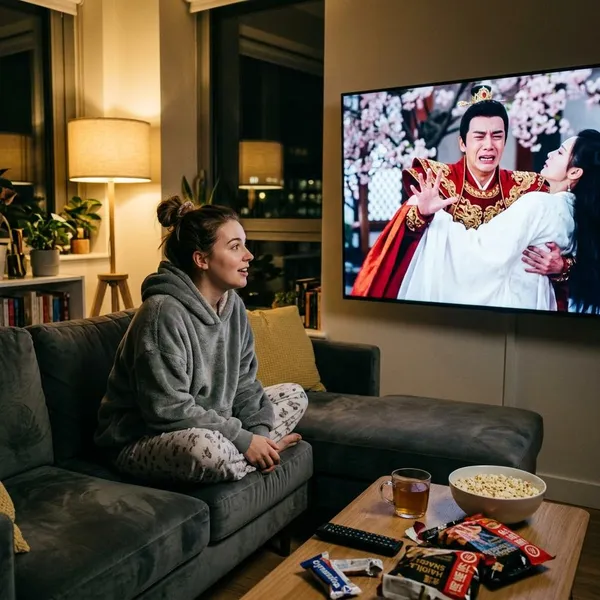
People enjoy them because they deliver emotion without asking for much patience. You can get betrayal, romance, revenge, comedy, and a cliffhanger in a very short amount of time.
Fast-paced entertainment
There is almost no warm-up. Many stories open with a breakup, betrayal, forced marriage, workplace humiliation, or family confrontation. That makes the format easy to try because you know within minutes whether the drama's energy works for you.
Unexpected twists and surprises
Even when the trope is obvious, the timing can still be entertaining. A villain may be exposed at a wedding, a secret child may appear during a business negotiation, or a forgotten memory may return just before someone signs a divorce paper.
Emotional drama and instant payoffs
Short dramas compress the pain-and-reward cycle. A lead suffers quickly, fights back quickly, and often gets public validation much sooner than in a long series. That is why the format feels satisfying even when the writing is blunt.
For casual viewers, this is the main advantage: you do not need to invest weeks to see justice served. For viewers who love slow-burn romance or carefully earned redemption, the payoff may feel too easy.
So-bad-it's-good humor
Some viewers watch sincerely; others watch because the dialogue, acting, and plot twists are unintentionally hilarious. Both reactions can exist at the same time. You can laugh at the impossible setup and still want to know whether the villain gets exposed.
Short episodes that are easy to binge
The episode length makes the format dangerously easy to keep watching. One clip feels harmless, then a cliffhanger leads to another, and suddenly you are several episodes deep in a story about a secret CEO, a fake wife, and a revenge plan involving three different family scandals.
Where to Watch Nonsense Chinese Dramas
You can usually find them through short drama apps, YouTube channels, and TikTok clips. The right place depends on whether you want free sampling, English subtitles, complete episodes, or just the most dramatic viral moments.
Chinese short drama apps
Dedicated short drama apps are often the best place for full vertical series. They usually organize shows by themes such as revenge, romance, CEO stories, fantasy, or rebirth, which makes it easier to find the exact flavor of nonsense you want.
Be a little cautious with payment models. Some apps offer the first episodes free and then charge for later chapters. If you only watch occasionally, free clips may be enough; if you binge these dramas daily, an app with reliable subtitles and clear pricing will matter more.
YouTube short drama channels
YouTube is a comfortable starting point, especially for English-speaking viewers. You can search by trope, sample different channels, and often find longer compilations that are easier to follow than scattered clips.
TikTok drama clips
TikTok is where many people first run into these dramas because the most outrageous scenes work perfectly in a scroll feed. A betrayal, proposal, slap, or identity reveal can make sense in seconds, even if you have no idea who the characters are.
The downside is that TikTok is better for discovery than completion. If a clip hooks you, look for the drama title, account name, pinned comments, or links to a full version before you spend too much time chasing disconnected scenes.
Conclusion
A nonsense Chinese drama works best when you treat it as fast, chaotic comfort entertainment rather than realistic storytelling. Start with a free clip, pick a trope you already enjoy, and only move to a full app or paid episodes if the subtitles, pacing, and payoff are actually worth your time.